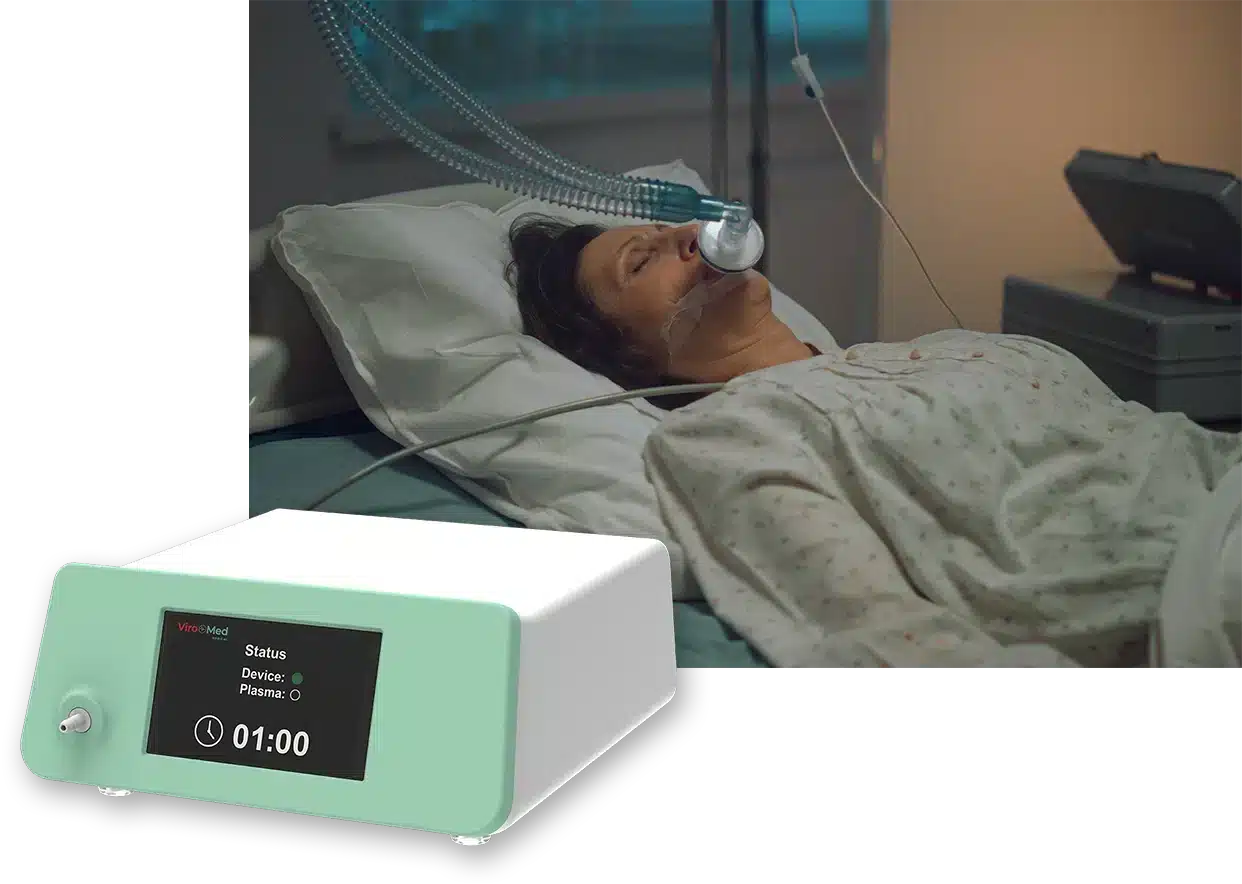
PulmoPlas®
Cold plasma in pulmonology
Together with the Helmholtz Centre for Infection Research, Viromed is investigating cold plasma as a new approach to preventing and treating ventilator-associated pneumonia.
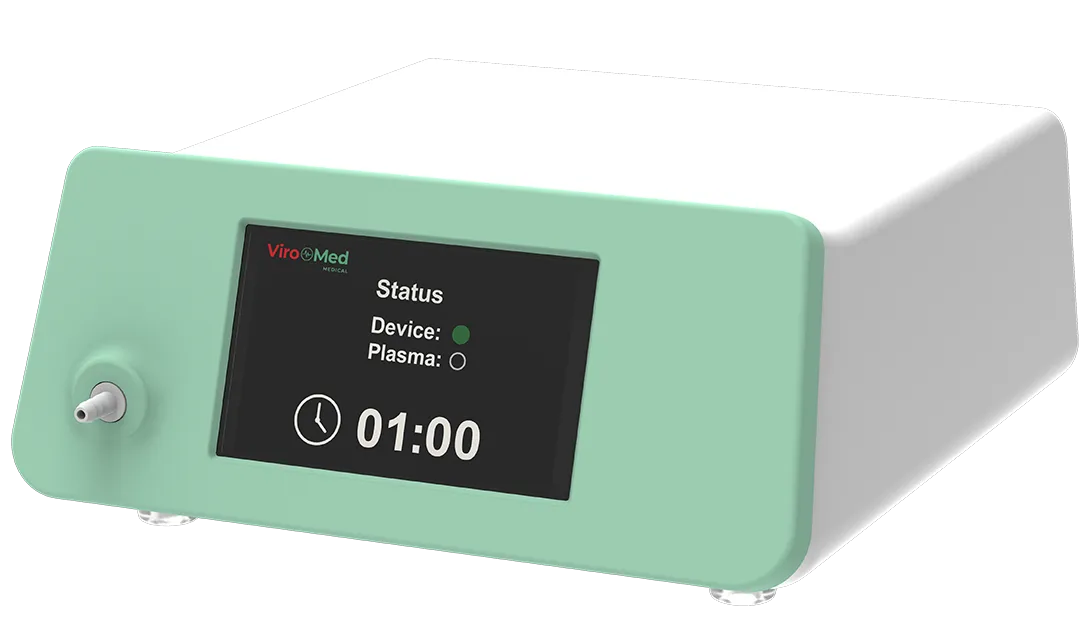
How cold plasma acts in lung tissue
The team led by Prof. Dr. Hortense Slevogt of Hannover Medical School and the Helmholtz Centre for Infection Research investigated how cold plasma acts on pathogens and on the tissue of the lower respiratory tract. To do so, the team used cell cultures and samples of human lung tissue.
In preclinical studies, cold plasma showed an antibacterial effect, including against the multidrug-resistant pathogen MRSA. Under the conditions tested, the team observed no discernible damage to the cell layer lining the airways. These results make cold plasma a promising research approach for the prevention and treatment of ventilator-associated pneumonia.
Article · As of June 18, 2025
Cold plasma as a new perspective in the treatment of ventilator-associated lung infections
By Prof. Dr. Hortense Slevogt, head of the “Respiratory Infection Dynamics” research group.
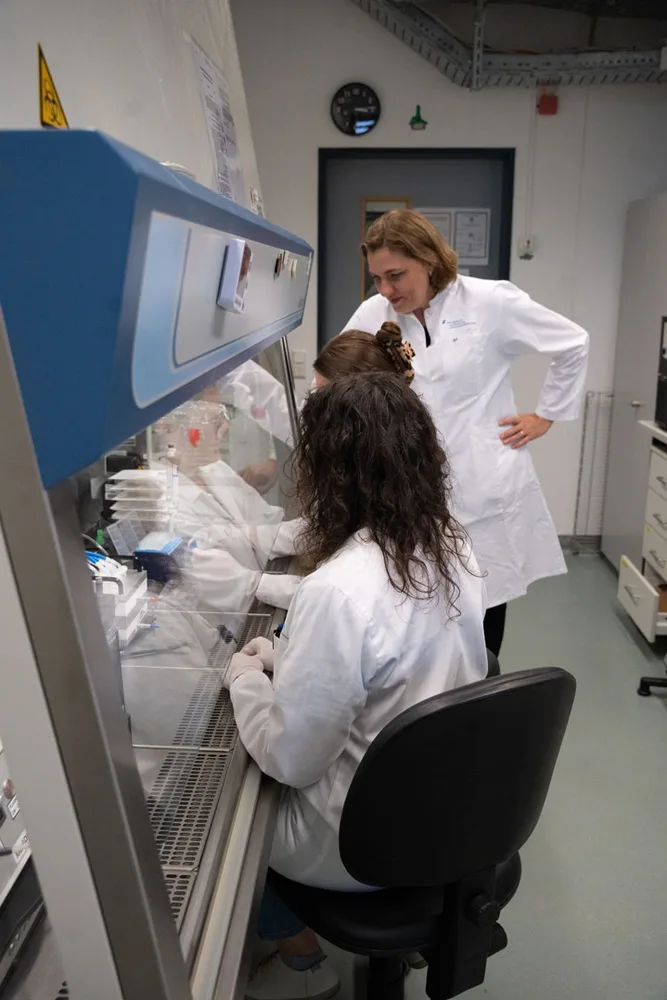
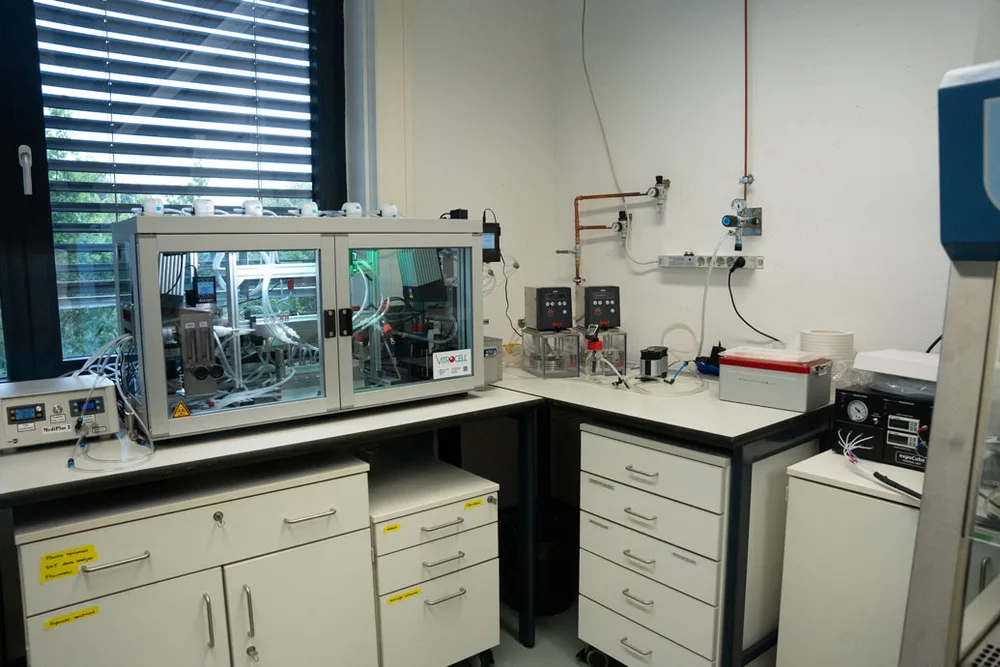
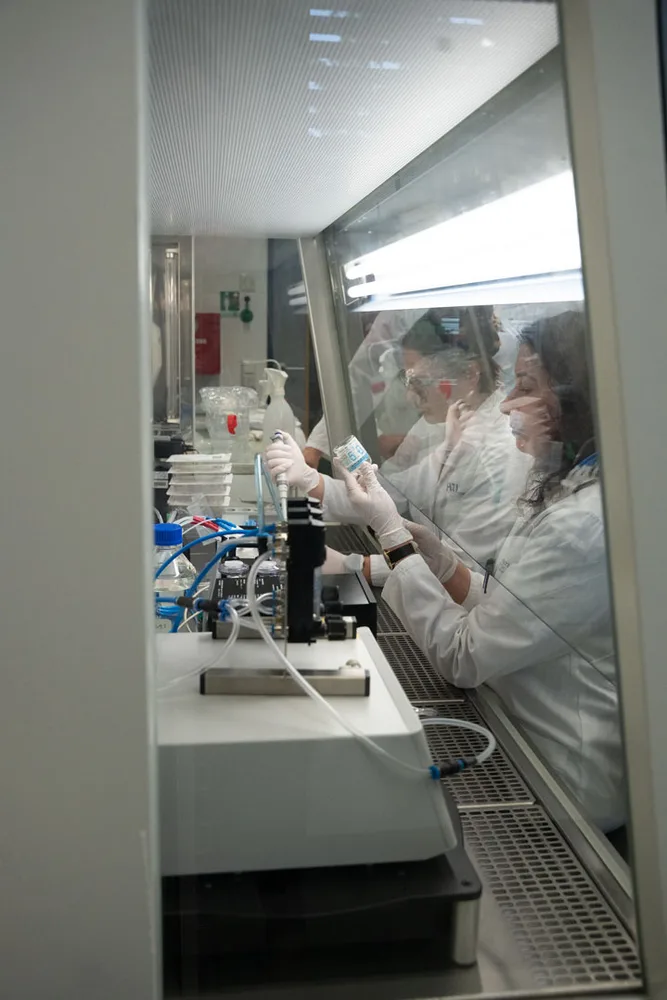
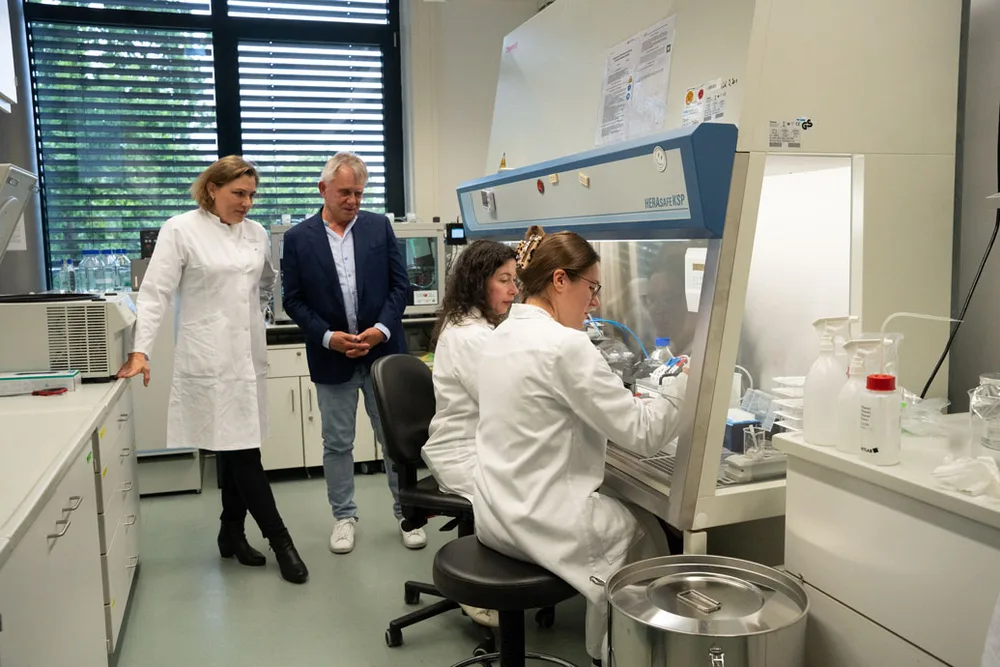
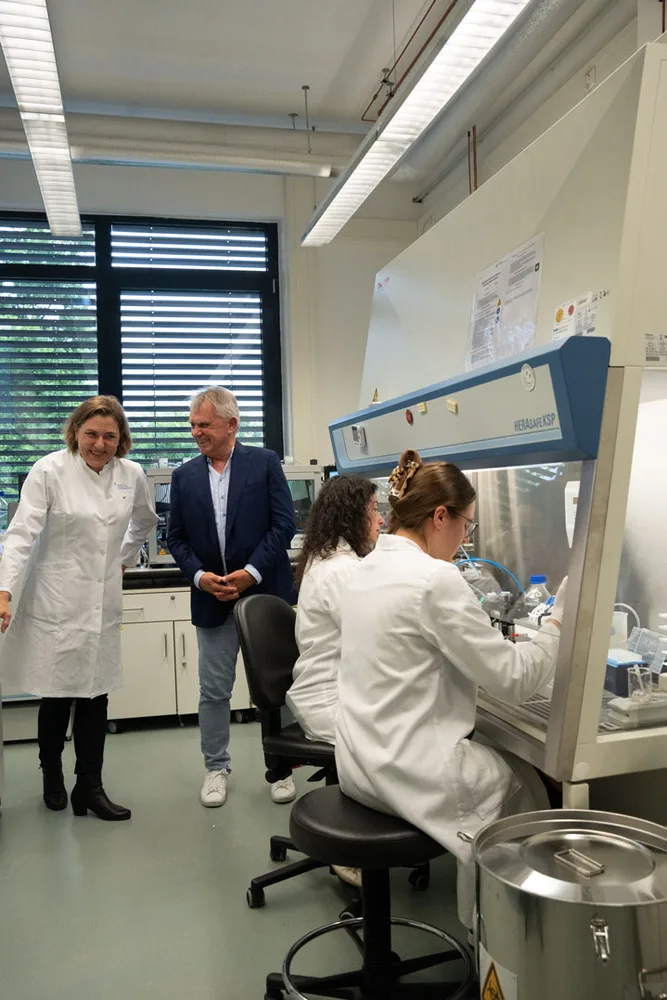
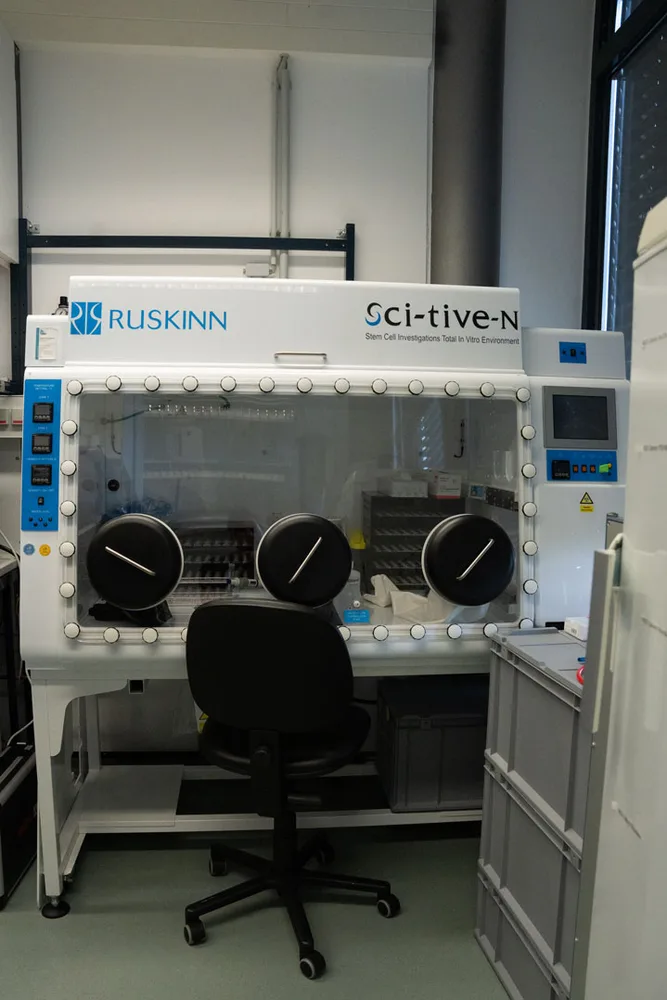
Visit to the laboratory of the Helmholtz Centre for Infection Research in Braunschweig.
This research collaboration is an important milestone for us – in the further development of our technology and with a view to evidence-based use in clinical practice.
Hospital infections in Germany
400,000 to 600,000
hospital-acquired infections per year
15,000 to 20,000
deaths per year as a result of a hospital infection
Estimates by the Robert Koch Institute for Germany.
One of these infections is ventilator-associated pneumonia (VAP). This term refers to pneumonia that occurs no earlier than 48 hours after the start of invasive ventilation. This is where research on PulmoPlas® comes in. It investigates whether cold plasma can contribute to preventing or treating this infection.
Lung infections worldwide
Lung infections are also a major problem worldwide. Lower respiratory tract infections are the leading infectious cause of death: according to estimates from the Global Burden of Disease study, around 2.5 million people died of them in 2023. Most deaths were due to pneumococci (634,000), followed by Staphylococcus aureus (271,000) and Klebsiella pneumoniae (228,000). For both of these pathogens, resistance such as MRSA and carbapenem resistance is increasingly complicating treatment.
Sources: GBD 2023 Lower Respiratory Infections Collaborators, Lancet Infect Dis 2026; GBD 2021 Antimicrobial Resistance Collaborators, Lancet 2024.
How pneumonia can develop during mechanical ventilation
During invasive ventilation, secretions from the mouth and throat can collect above the sealing cuff of the breathing tube. If small amounts get past the cuff into the lower airways, the bacteria they carry can cause pneumonia there.
Research on PulmoPlas® is investigating whether the microbial load in the lower airways can be reduced with cold plasma. Studies on cell cultures and lung tissue to date provide initial indications of this.

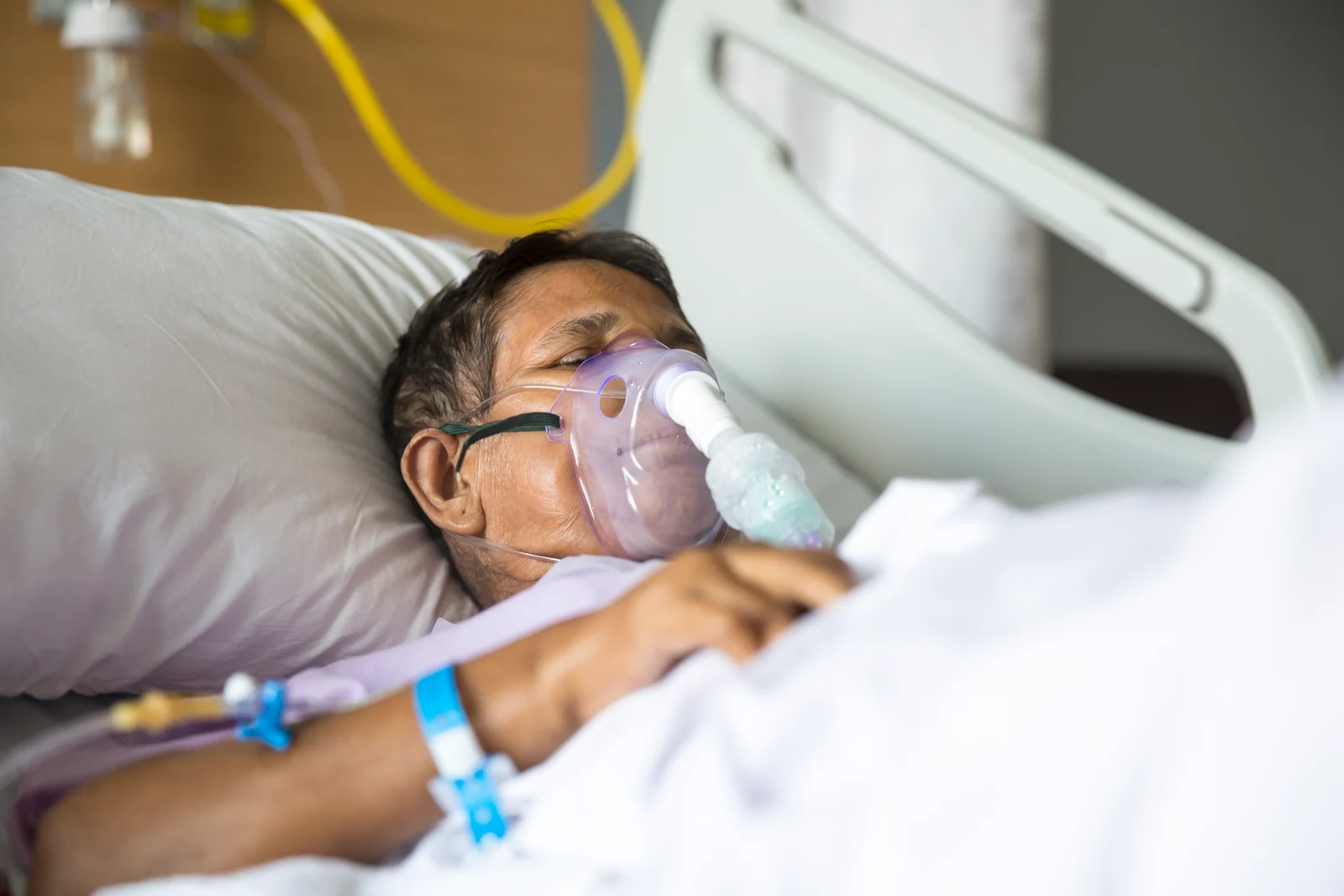
PulmoPlas® as a research approach for intensive care medicine
The results from the laboratory models form the basis for clinical research. The focus is on how well ventilated patients tolerate the application and whether PulmoPlas® can help prevent ventilator-associated pneumonia or support its treatment.
Questions about PulmoPlas?
Would you like to learn more about research on cold plasma in intensive care medicine or talk to us about a collaboration? Our team will be happy to answer your questions personally.
Phone
Advice