Cold plasma in the dermatology practice
Basics
Plasma – the fourth state of matter alongside liquid, solid and gas – is the subject of research in many scientific disciplines. Many of you will be familiar with the research on using liquid plasma to generate energy. Life on Earth is based on the energy provided by the plasma of the sun.
Plasma exists in various forms. The form currently usable in medicine is cold atmospheric plasma, which combines a wide range of components. Among other things, it contains reactive oxygen species, electrons and UV radiation. Through various mechanisms, these components contribute to the eventual therapeutic effect.
Dermatology's pioneering role in the use of this innovative therapy may be due, on the one hand, to the good access that we dermatologists have to the organ we care for and its diseases. On the other hand, our discipline is often characterized by openness and innovation.
A milestone for practical clinical use was the development of so-called “hand-held devices”. They allow us to offer this therapy to our patients in everyday practice and hospital routine.
How we use it in our practice
The effect of cold plasma demonstrated in studies to date is limited to combating infectious pathogens such as bacteria, fungi and viruses, and to stimulating wound healing of the skin. For this reason, we focus on diseases that are caused by these pathogens or in which they play a role in the problems associated with the disease. We also focus on diseases in which wound healing is impaired.
Indications in our practice
- Acute superinfected wounds:e.g., impetigo, paronychia, panaritium, herpes zoster, ingrown nails and burns
- Chronic wounds:e.g., postoperative – healing by secondary intention, pressure ulcers and leg ulcers
- Other dermatological conditions:e.g., perioral dermatitis, rosacea and onychomycosis
- Immediately after and during surgery:for infection prophylaxis, improved wound healing and also an improved postoperative cosmetic result
I am firmly convinced that in the future there will be a number of additional indications that will benefit from the use of cold plasma therapy. Examples include lichen sclerosus et atrophicus, balanitis, morphea and others.
In our practice, we have had very good experience with the “hand-held device” from Viromed, which is characterized by simple handling and high efficacy.
Billing
To bill for our service, we use the analog code a566 of the German medical fee schedule (GOÄ), plus reimbursement of material costs for the spacer. So far, private health insurers have rarely raised queries. We now also have self-paying patients who have heard about the therapy through word of mouth or media coverage and want to take advantage of its benefits.
Outlook
From a health economics perspective, the conditions described and their treatment require considerable resources. The care of patients with chronic wounds alone costs our healthcare system about €8 billion a year. In addition to the financial burden, this also means an enormous amount of care time for the various professional groups involved in patient care. We are all familiar with the long waiting times for specialist appointments, particularly with us dermatologists.
This effort is also due to the fact that we have few treatment options in chronic wound care that work well and quickly. In my opinion, cold plasma therapy offers a great opportunity here.
Skin diseases often severely limit the quality of life of those affected. Being able to bring improvement or cure for these conditions is the task and privilege of every dermatologist.
Cold atmospheric plasma acts quickly, safely and efficiently in many of these skin diseases. For us as therapists, it is easy to apply with the “hand-held devices”. It helps to avoid antibiotic resistance. To date, it has no demonstrable undesirable side effects. In my view, cold plasma therapy belongs in every practice and also in home care. Cold plasma therapy has completely convinced me in the treatment of my patients.
The practice report as a PDF
The article by Dr. med. Christoph Kuwert (in German) to print and pass on.
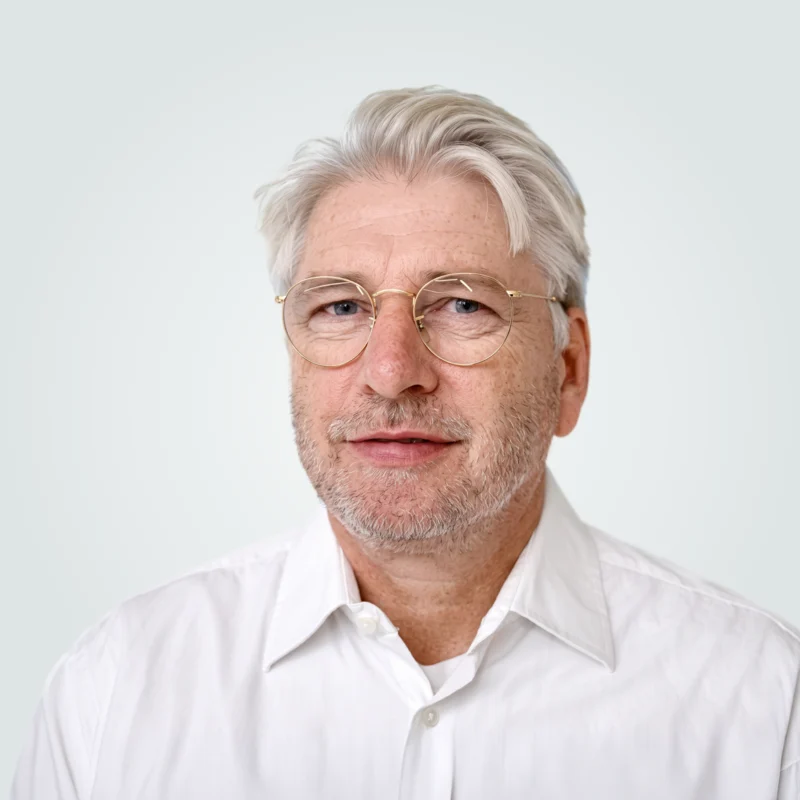
Dr. med. Christoph Kuwert
Specialist in dermatology and allergology, Hamburg · Member of the medical advisory board of Viromed Medical